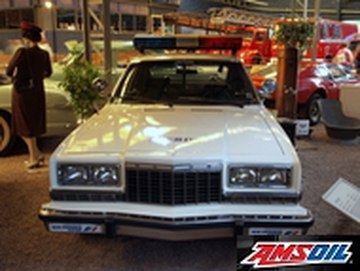
Maintaining Lubrication Standards for the 1981 Dodge DIPLOMAT 5.2L
Proper engine care for a vehicle like the 1981 Dodge DIPLOMAT with its 5.2L engine requires a disciplined approach to fluid management and regular inspections. As vehicles age, the methods used to monitor engine health and ensure component longevity become increasingly important. Maintaining the correct lubrication environment is a cornerstone of long-term engine stability.
Monitoring Fluid Integrity and Potential Leaks
One of the most effective ways to monitor the health of the 5.2L engine is through regular visual inspections for fluid loss. Because this vehicle was manufactured in 1981, various seals and gaskets may have undergone significant thermal cycling over several decades. It is useful to inspect the area around the engine block and the underside of the vehicle for any signs of seepage or active leakage.
When performing these checks, look for:
- Dampness or residue on the surface of the engine components.
- Fresh fluid spots on the ground beneath where the vehicle is parked.
- Evidence of staining around sealing surfaces.
If you notice a change in the amount of oil required between service intervals, this warrants further investigation. While a small amount of consumption can occur as engines age, any sudden or significant increase should be addressed to prevent potential damage. It is also beneficial to check the appearance of the lubricant itself; if it appears excessively dark or contains visible particulates, it may indicate that the oil has reached the end of its effective service life or that there is internal contamination.
Systematic Inspection of Engine Accessories and Hoses
Beyond the lubrication system, a comprehensive maintenance routine for the 1981 Dodge DIPLOMAT should include an assessment of the components that support engine operation. If equipped, accessible drive belts should be inspected for signs of wear such as cracking, glazing, or fraying. These components are subject to heat and friction, which can cause the material to degrade over time.
Similarly, if the vehicle is equipped with various rubber hoses, these should be checked for signs of softening, hardening, or swelling. Hoses that feel excessively brittle or show visible cracks may no longer provide reliable service. Checking these items during a routine oil change is an efficient way to catch potential issues before they lead to unexpected downtime. Keeping an eye on the condition of electrical connectors and wiring harnesses can also prevent intermittent issues caused by age-related degradation.
Prioritizing Maintenance Based on Current Condition
For owners of a 1981 Dodge DIPLOMAT, effective maintenance is often about distinguishing between preventive care and reactive repairs. Rather than following a rigid schedule based solely on the vehicle's age, it is more practical to prioritize tasks based on the actual condition of the engine and its components.
If you are managing a vehicle with an incomplete service history, establishing a maintenance baseline is a logical first step. This involves performing a thorough inspection of all fluids, filters, and major mechanical components to determine their current state. Once this baseline is established, you can better track changes in how the engine performs or how much lubricant it consumes. Addressing active leaks or addressing overdue service items identified during your initial inspection should be the highest priority. By focusing on documented observations rather than assumptions, you can create a more efficient and cost-effective maintenance strategy.
The Role of Lubrication in Engine Longevity
Engine oil performs several vital roles that are essential for the continued operation of the 5.2L engine. Primarily, it provides a protective layer between moving metal surfaces to reduce friction. This reduction in friction is critical for managing the heat generated during engine operation and preventing premature wear of internal components.
Furthermore, the lubricant acts as a medium to carry away heat from areas that are not directly cooled by the primary cooling system. It also helps to suspend and transport microscopic contaminants toward the oil filter, where they can be removed. Maintaining clean, high-quality lubricant is essential for preventing the buildup of deposits or sludge, which can interfere with the smooth operation of various engine systems. Consistent attention to the quality and cleanliness of the oil is one of the most impactful actions an owner can take to support the long-term health of the engine.
Managing Maintenance Records for Long-Term Ownership
Keeping a detailed history of all service performed on the 1981 Dodge DIPLOMAT provides significant advantages. A well-maintained logbook allows you to track when oil changes, filter replacements, and other repairs were completed. This documentation is invaluable for identifying patterns, such as how frequently certain components need attention or if there is a trend in fluid consumption.
When selling the vehicle or seeking professional repair advice, having a clear record of maintenance can provide clarity on the engine's history. It also helps prevent redundant service by ensuring you know exactly when a specific task was last performed. For an older vehicle, these records serve as a roadmap for future maintenance needs, allowing you to make informed decisions about whether to continue repairing or eventually replace certain components.
Practical Advice for BUYING ENGINE OIL for the 1981 Dodge DIPLOMAT 5.2L
When it is time to replenish your engine's lubricant, it is essential to select a product that aligns with the specific requirements of your application. To ensure you are using the correct fluid, match the engine oil to the vehicle-specific viscosity and application information already displayed on this webpage.
Before making a purchase, always check the product labeling to verify that the oil meets the necessary standards for your engine. Depending on your specific needs and the current condition of your 5.2L engine, you may encounter various options, including conventional oils, synthetic blends, or full synthetic formulations. Some high-mileage oil formulations also contain additives intended for use in aging engines, including seal-conditioning additives. However, rather than making assumptions based on the age of the vehicle, always prioritize the specific viscosity and technical information provided in the application data above to ensure optimal performance and protection.